NBA Prop Bets for Beginners UK: Your First Prop in 5 Steps
 Available in US

If You’ve Never Placed an NBA Prop Bet Before, Start Here
I remember placing my first NBA prop bet with far more confidence than was warranted. I’d watched the player put up 30 points the game before, the over looked like a safe call, and I didn’t think about anything else. I won — which was the worst possible outcome, because it taught me nothing and made me think I already understood what I was doing. It took a dozen more bets — most of them losses — before I started asking the right questions about why a prop line is set where it is and what would need to be true for one side to have value.
If you’re starting from scratch, the good news is that NBA prop betting is genuinely accessible. The markets are intuitive, the data is freely available, and the learning curve from “placing bets randomly” to “placing bets with a systematic process” is shorter than in most sports betting disciplines. The less good news is that short accessibility curve has a sting in its tail: it’s easy to bet props, which means it’s easy to bet them badly at significant volume before the mechanics have been properly understood. The 5-step process below is designed to give you a working framework before the first bet is placed.
17.4 million UK adults placed online bets in 2024 — about a third of the adult population. The majority of those bettors have never applied systematic research to their wagers. The minority who do are the ones consistently on the right side of the long-run outcome.
Placing Your First NBA Player Prop: A 5-Step Walkthrough
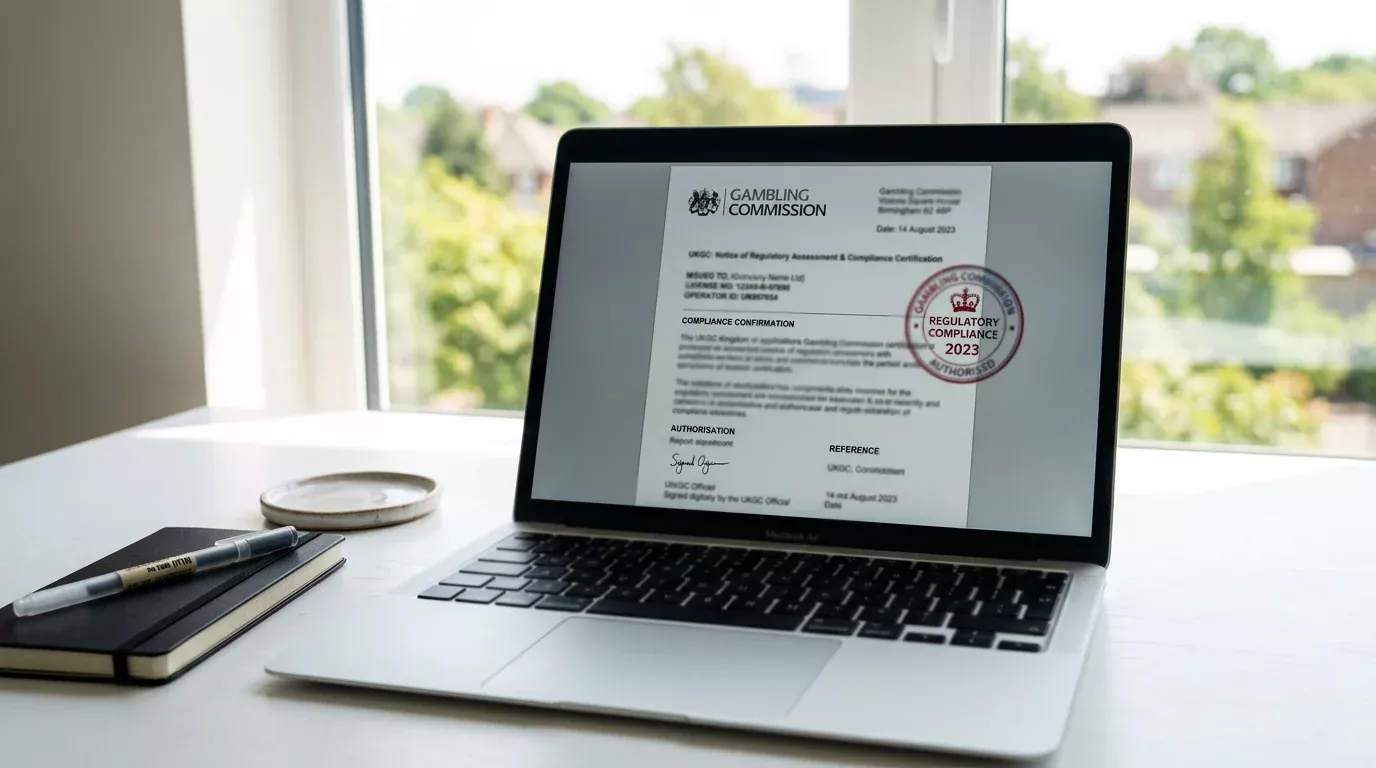
Step one is choosing your bookmaker. For a beginner, use any major UK-licensed operator — Bet365, Betway, William Hill, or Coral all offer NBA player props with good market depth. Verify the UKGC licence on the Gambling Commission’s website before depositing. Set a deposit limit at the start; this is not optional advice for beginners. It’s the structural protection that prevents your exploration from turning into a problem before you’ve found your feet.
Step two is finding the prop market. Navigate to NBA in the sports betting section, then to the specific game you want to bet. Player props are typically listed under “Player Markets,” “Player Props,” or “Specials” depending on the bookmaker. For each player, you’ll see markets for points, rebounds, assists, PRA, and sometimes blocks and steals. Each market has an over/under line — a number — and decimal odds on each side.
Step three is doing basic research. This is the step most beginners skip. Before betting a points prop, check three things: the player’s last 10 games points average, the opponent’s defensive rating this season, and whether any relevant injuries are listed in today’s NBA injury report. You don’t need to be an advanced analyst for your first bet; you need enough information to make an informed decision rather than a random one. Basketball Reference and NBA.com both provide this data for free.
Step four is evaluating the line. Look at the over/under number and ask: does my research suggest the player is likely to go over or under this number tonight? At what decimal odds is the bookmaker offering each side? If the line looks accurate and the odds don’t offer value in either direction, don’t bet. Passing is an underrated skill for beginners — betting every game you watch is not the goal.
Step five is placing the bet and recording it. Use a small stake for your first several bets — 1–2% of whatever you’ve designated as your starting bankroll. Record the bet: player, market, line, odds, your reasoning, and outcome. That record is the foundation of everything that comes after. You can’t improve what you don’t measure.
Five Mistakes Every NBA Prop Beginner Makes
Mistake one: betting on every game. More games means more opportunities, but it also means less research per bet. Quality of analysis trumps quantity of activity consistently. Early in your learning curve, focus on 2–3 games per week where you have enough time to check the injury report, look at recent form, and think about the matchup. Betting 15 games a night based on surface impressions is how bankrolls evaporate fast.
Mistake two: treating recent big performances as a reliable over signal. A player who scored 40 points last night is an appealing over candidate for tomorrow’s game — but his prop line has already been raised to account for that performance, and his statistical regression toward his mean is more likely than another 40. The line adjustment captures most of the upside. What the casual bettor sees as a hot player is often what the bookmaker has already priced for.
Mistake three: ignoring the injury report. This is the single most practically impactful variable in daily prop betting and the one that beginners most consistently neglect. A teammate’s injury absence reshuffles usage across the lineup and can move a player’s expected performance significantly — up or down — from his unadjusted average. Checking the injury report before every bet is not optional; it’s table stakes.
Mistake four: not keeping records. Without a bet log, you have no basis for evaluating whether your process is working. Your memory of your results is systematically biased — you remember the wins more vividly than the losses, and you’ll overestimate your win rate without data to check against. Even a basic spreadsheet recording bet, line, odds, and outcome tells you far more than gut feeling about whether you’re improving.
Mistake five: chasing losses. Losing streaks are normal. Responding to them by increasing stakes is the most reliably bankroll-destructive behaviour in sports betting. Your unit size should be fixed and not increase because you’re running below expectation. The mathematics of variance means losing streaks occur even when your process is correct; doubling down makes things worse on average, never better.
A Beginner’s Pre-Bet Checklist for NBA Props
Before every prop bet, run through this checklist. Is the player confirmed active on today’s injury report? Have I checked his last 10 games average, not just last night’s score? Have I looked at the opponent’s defensive rating? Is there a lineup change — injury to a teammate — that affects this player’s expected role? Is this game on a back-to-back, and if so, am I on the second night? What is the decimal odds implied probability, and does my assessment suggest the true probability is higher than that?
If you can’t answer most of those questions, the research for this bet isn’t done. Place the bet when the answers give you a clear directional view; pass when they don’t. This discipline — not betting every game — is what separates the bettor with a process from the bettor with a habit.
For a deeper understanding of how each of these research variables — usage, matchup, pace, and injury context — integrates into a more complete analytical framework, the fundamentals of NBA player props cover the mechanics of how these markets are built and where the consistent analytical opportunities appear.
What is the minimum bet size for NBA player props at UK bookmakers?
Minimum stakes at UK bookmakers typically range from 10p to £1 per bet depending on the operator and market type. For practical learning purposes, betting the minimum or near-minimum while you develop your process is sensible — the goal in the early stage is to learn the mechanics and build a research discipline, not to generate significant winnings from an undeveloped process.
Which NBA player prop is easiest to research for a beginner?
Points over/under props are the most beginner-accessible because the data is easy to find (points per game is the most widely published player statistic) and the relevant variables are intuitive — usage, minutes, opponent defensive rating. Rebounds and assists props have additional complexity from lineup and matchup factors that take more time to understand. Starting with points props while building your research foundation is the most practical approach.
Prepared by the nba Props Bets editorial staff.